Painting Around Landscaping: How Professionals Protect Plants During Exterior Projects
Home / Blog
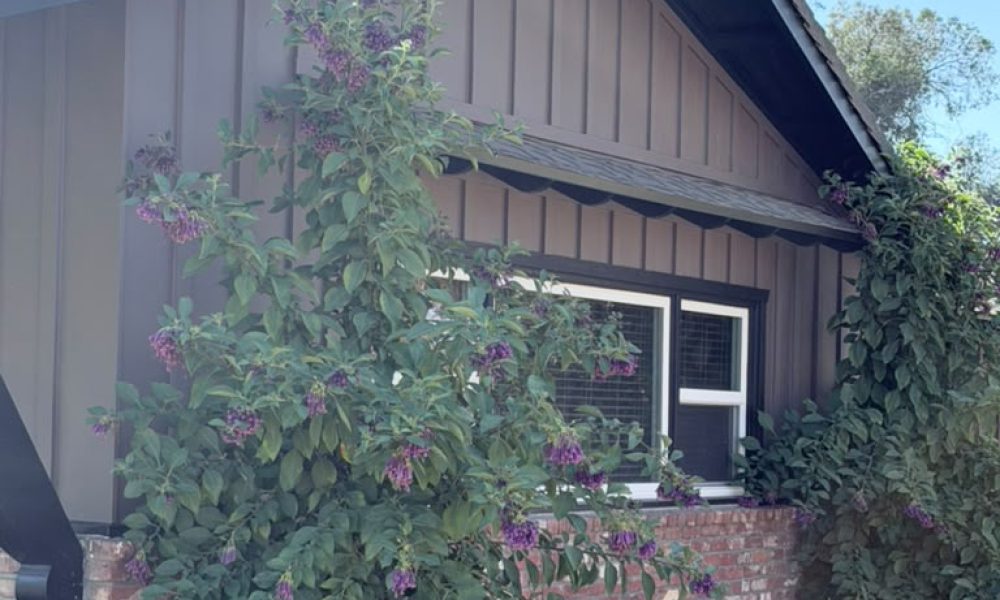
One of the most common concerns homeowners have before scheduling an exterior paint job is what happens to their landscaping. Years of growth, established shrubs, climbing vines, flowering plants, and carefully maintained gardens don’t just sit safely out of the way while painters work — they’re often right up against the surfaces being painted, directly in the path of ladders, brushes, rollers, and spray equipment.
A professional painting crew knows how to work around mature landscaping without damaging it. Understanding what that process looks like gives homeowners realistic expectations and helps them prepare their property before the project begins.
Why Landscaping Protection Matters More Than Most Homeowners Realize
Paint — particularly spray-applied exterior paint — travels farther than it appears to during application. Overspray from a sprayer can drift several feet beyond the target surface, settling on leaves, branches, and soil. Even brush and roller application near low-growing plants and ground cover creates drip and splatter risk that can harm or kill sensitive vegetation.
Beyond overspray, there are other hazards to consider:
- Chemical content: Exterior paints, primers, and cleaning solutions contain solvents and additives that can be toxic to plants if they contact leaves, stems, or root zones in significant quantities.
- Physical damage: Ladders, scaffolding, and equipment set up near established plantings can crush branches, compact soil, and break stems that took years to develop.
- Pressure washing runoff: Pre-paint surface cleaning with pressure washers drives chemical-laden water and debris directly into adjacent planting beds.
- Foot traffic: Repeated foot traffic through planting beds during a multi-day project compacts soil and damages root systems even when plants appear unaffected above ground.
How Professional Painters Protect Landscaping Before Work Begins
A well-prepared crew addresses plant protection before the first brush hits the wall.
- Pre-Project Walkthrough
Before work starts, a professional team walks the property with the homeowner to identify sensitive plantings, note established trees and shrubs that are close to painted surfaces, and plan equipment placement to minimize impact on the landscape. This walkthrough also identifies areas where additional protection may be needed beyond standard drop cloth coverage.
- Trimming and Pulling Back Vegetation
Plants growing directly against the siding — like climbing vines, trained shrubs, or overgrown ground cover — need to be carefully pulled back or tied away from the wall before painting begins. This creates the working clearance needed to properly prep and coat the surface behind them, and protects the plants from direct paint contact. Where possible, this should be done gently and incrementally rather than all at once to avoid shocking established plants.
- Covering With Drop Cloths and Plastic Sheeting
Low-growing shrubs, perennials, and ground cover directly beneath work areas are covered with canvas drop cloths or plastic sheeting before any painting begins. Canvas is preferred where plants will be covered for extended periods because it breathes and doesn’t trap heat the way plastic does — an important consideration in Ventura’s warm climate. Plastic sheeting is effective for shorter-term overspray protection during spray application.
- Watering Plants Before Coverage
Thoroughly watering plants before they’re covered serves two purposes: it hydrates them before they’re temporarily deprived of light and air circulation, and the moisture on leaves helps reduce the adhesion of any paint particles that make contact despite coverage efforts.
During the Project: Managing Overspray and Runoff
Even with thorough preparation, active painting requires ongoing attention to plant protection throughout the project.
Spray application near landscaping: When spray equipment is used near established plantings, professional crews mask and cover adjacent areas more completely than they would on open sections of the home. Wind direction is monitored throughout the day — coastal Ventura properties can experience shifting afternoon breezes that change overspray patterns. Spraying is paused or redirected when wind conditions create unacceptable drift risk toward uncovered plantings.
Pressure washing runoff: Pre-paint pressure washing of the exterior surfaces drives dirty water, old paint particles, and cleaning solution runoff into the surrounding landscape. A professional crew directs runoff away from planting beds where possible, and flushes any areas that receive significant runoff with clean water after washing is complete.
Ladder and equipment placement: Ladders and extension poles are placed on stable, non-planted surfaces wherever possible. Where a ladder must be positioned near a planting bed, a standoff or stabilizer keeps the base from sinking into soft soil and damaging shallow root systems. Drop cloths are placed beneath equipment staging areas to contain drips and spills.
After the Project: Uncovering and Checking Plants
Removing coverings promptly after each work session — and at the end of each day — is as important as putting them in place. Plants left covered under plastic for extended periods in warm weather can suffer heat stress, and extended deprivation of light and air circulation stresses even hardy established shrubs.
After coverings are removed, any plants that received accidental paint contact should be rinsed with clean water as quickly as possible. Latex paint on leaves can typically be rinsed off without lasting harm if addressed promptly. Oil-based products require more immediate attention and more thorough rinsing to prevent damage.
A final walkthrough after the project is complete should include checking planting beds for paint drips, hardware debris, and any soil compaction from foot traffic that can be loosened with light cultivation.
What Homeowners Can Do to Help Before the Project Starts
While professional painters handle the active protection measures, homeowners can make the process easier and reduce risk to their most valued plants by taking a few steps beforehand.
- Point out priority plants during the pre-project walkthrough — specimen plants, recently planted material, or anything particularly sensitive that the crew should know about.
- Trim overgrown vegetation away from the house in the weeks before painting begins, giving new growth time to recover before the project starts.
- Temporarily relocate container plants on patios, porches, and entryways to a safe distance from the work area.
- Mark irrigation heads and low-profile plantings at ground level that might not be visible to a crew member moving equipment.
The Difference Professional Care Makes
The difference between a crew that takes landscaping protection seriously and one that doesn’t shows up in the weeks after the project is complete — in wilted shrubs, paint-spotted leaves, and compacted beds that take a season to recover. At RM Empire Painting, we treat the landscape around your home with the same care we bring to the paint job itself, because a great exterior project should leave the entire property looking better, not just the walls.
We serve homeowners throughout Ventura, CA and the surrounding area with professional exterior painting services that respect everything you’ve built — inside and outside the walls.
Ready to schedule your exterior project? Contact RM Empire Painting today for a free estimate.
Our Services
Get A Free Quotes
Got any questions ? Feel free to call us !
Do you have any questions about our services or would you like to request a free estimate? Don’t hesitate to call us at (805) 746-5140. At RM Empire Painting we are always available to provide you with personalized advice and help you transform your spaces with the quality we are known for. Contact us today, we’ll be happy to assist you!
Whether you’re looking to refresh your home or enhance your business, our team of licensed and insured professionals is here to deliver exceptional results.
Our Services
Copyright ©2026 RM Empire Painting, All rights reserved. Powered by Orbis Advisers.