Painting Metal Railings and Wrought Iron Accents on a Home Exterior
Home / Blog
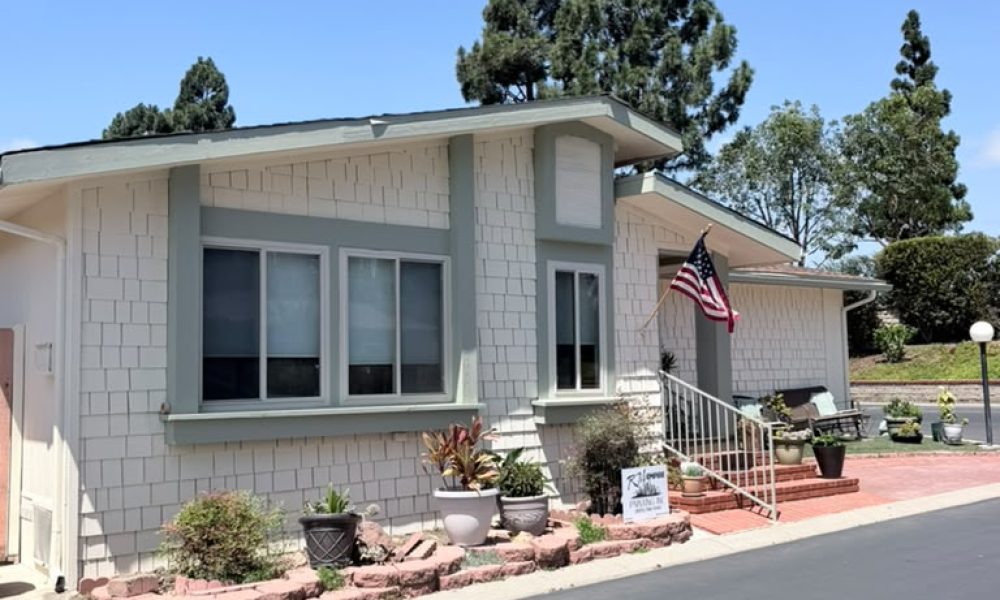
Metal railings and wrought iron accents are some of the most overlooked surfaces in an exterior repaint. When a homeowner schedules a full exterior update, the focus naturally goes to the large wall surfaces — stucco, siding, fascia, garage door — and the metal elements get a quick coat of whatever’s left in the brush, or nothing at all. The result is an exterior where the walls look fresh and the railings look like they were there before the paint job, because they were.
Done right, painted metal railings and iron accents finish the exterior composition and prevent the kind of rust and corrosion that makes metal elements expensive to repair or replace. Done wrong — or skipped entirely — metal elements become the detail that makes an otherwise clean exterior look neglected.
The challenge is that metal requires a different approach than wood or stucco. The preparation is more demanding, the product selection matters more, and the consequences of skipping steps are faster and more visible than on other surfaces.
Why Exterior Metal Fails Faster Than Other Surfaces
Metal railings and iron accents fail through a mechanism that’s fundamentally different from paint failure on wood or stucco: corrosion. Rust isn’t just a cosmetic problem — it’s an active chemical process that continues beneath the paint surface once it starts, lifting the paint film from underneath and expanding as it goes.
In a coastal environment like Ventura, the salt air accelerates this process significantly. Airborne salt particles are electrically conductive and catalyze the oxidation reaction that produces rust. A railing that might show surface rust after five years inland can show it within two years within a few miles of the Ventura coastline. Any breach in the paint film — a chip from impact, a scratch, a pinhole — becomes an entry point for salt and moisture, and rust begins at that point and spreads beneath the surrounding paint.
This is why preparation on metal isn’t about cleanliness alone — it’s about removing every trace of existing rust before the new paint goes on, because rust left under a paint coat will continue to grow and eventually push the new coat off the surface.
Surface Preparation: The Non-Negotiable Foundation
The difference between a metal paint job that lasts three years and one that lasts eight is almost entirely in the preparation. Products and technique matter, but they can’t overcome inadequate prep.
Remove all existing rust. Any rust on the surface needs to be mechanically removed before primer is applied. Wire brushing, sanding with coarse-grit sandpaper, or using a wire wheel on a drill removes surface rust and mill scale — the dark oxide layer present on new steel. For pitted or heavily rusted metal, a rust converter product can be applied after mechanical removal to chemically neutralize any rust in crevices that can’t be reached mechanically. The goal is bare, clean metal or stable existing paint — not rust with paint on top of it.
Clean thoroughly. After removing rust and loose paint, the surface needs to be cleaned of all oil, grease, and dust. Metal railings accumulate hand oils from regular contact, and those oils prevent primer from bonding correctly. A solvent wipe — mineral spirits or a commercial degreaser — removes oil contamination before primer is applied. Allow the surface to dry completely before priming.
Sand existing paint that’s staying. Areas of existing paint that are well-adhered and not showing rust can remain, but they need to be scuff-sanded so the new primer has something to bite into. Glossy existing paint resists adhesion; a light sanding removes the gloss and opens the surface.
Address gaps and joints. Rust often starts where metal components meet — at welds, at the base of balusters, at anchor points where the railing meets the wall or stairs. These joints trap moisture and are the first places rust appears. After cleaning, check these areas carefully and treat any rust found there before priming.
Primer Selection: The Most Important Product Decision
On metal, primer isn’t optional — it’s the foundation that everything else depends on. The type of primer determines how well the topcoat bonds and how effectively the system resists rust.
Rust-inhibiting primer is the standard choice for exterior metal in a coastal environment. These primers contain corrosion inhibitors — typically zinc chromate, zinc phosphate, or a rust-converting chemistry — that actively resist the electrochemical process that causes rust rather than simply creating a physical barrier. Applied to clean, prepared metal, a rust-inhibiting primer dramatically extends the time before rust can re-establish at any point where the topcoat is breached.
Direct-to-metal (DTM) primers are formulated to bond directly to bare or lightly prepared metal without a separate conversion step. Many DTM products also contain rust inhibitors, making them an efficient single-product solution for metal in reasonable condition. For heavily rusted or coastal-environment metal, a dedicated rust-inhibiting primer under a DTM topcoat provides more protection than a DTM primer-topcoat combination alone.
Avoid all-purpose or latex primers on bare metal. Standard latex primers are formulated for wood and masonry and do not contain the rust inhibitors that metal requires. Applied to bare metal, they may appear to bond initially but provide minimal protection against corrosion and fail quickly in coastal conditions.
Topcoat Options for Exterior Metal
Once a proper primer is in place, the topcoat provides the color, UV resistance, and second barrier layer against moisture and salt air.
Oil-based alkyd enamel has been the traditional topcoat for exterior metal and remains a strong choice for railings and iron accents. Alkyd enamels cure to a hard, dense film that resists impact and abrasion — important on railings that are handled constantly — and they provide excellent adhesion to metal surfaces. The tradeoff is longer dry time and more difficult cleanup compared to water-based products.
Water-based direct-to-metal enamel has improved substantially over the past decade and is now a viable alternative to alkyd for most exterior metal applications. Modern DTM water-based enamels offer comparable hardness and corrosion resistance to alkyd with faster dry times and easier cleanup. For homeowners or contractors who prefer water-based products throughout a paint project, a quality DTM enamel over a rust-inhibiting primer is a sound system.
Spray paint formulated for metal — products like Rust-Oleum’s exterior metal line — can be appropriate for small accent elements and decorative iron where brush application would be difficult. These products are convenience formulations that include primer and topcoat in one, and they’re adequate for small elements in moderate exposure conditions. For primary railings in a coastal environment that handles daily use and constant salt air, a full primer-and-topcoat system with dedicated products provides more durable protection.
Sheen and Color Considerations
The sheen level for painted metal elements should be semi-gloss or gloss. These sheens are more moisture-resistant than flat or satin, easier to clean, and more durable under the repeated contact that railings receive. They also read as appropriately finished on metal — flat paint on a metal railing looks like an error rather than a design choice.
Color strategy for metal railings and iron accents follows the same logic as other exterior accent elements: the railing color should be referenced somewhere else on the facade so it reads as part of a deliberate palette rather than a separate decision.
Black and deep charcoal are the most versatile choices for exterior metal. They work alongside virtually any body and trim color, they read as clean and permanent rather than decorative, and they provide the contrast needed for railings to function visually — a railing that blends into the stairs or the wall it anchors to loses its visual function as a defined element.
Matching the trim color is a softer approach that integrates the railing into the overall palette without creating additional contrast. This works well on homes where the entry is already visually busy — multiple planting containers, decorative tile, a bold door color — and additional contrast from the railing would add noise rather than definition.
Matching the accent color ties the railing to whatever accent color is used elsewhere on the facade — shutters, brackets, door — and creates a cohesive composition where the metal elements feel intentional. This approach requires consistent color matching between the accent paint and the metal topcoat, which is achievable but takes attention to get right.
Application Technique for Railings and Iron Accents
Metal railings have complex geometry — multiple faces, tight angles, decorative scrollwork, and anchor points — that make application more demanding than flat wall surfaces.
Brush application gives the most control and the best film thickness on complex metal shapes. Use a quality natural or synthetic bristle brush appropriate to the paint type (natural bristle for oil-based, synthetic for water-based) and work the paint into all faces of each element, including the undersides of horizontal rails and the backs of balusters. These hidden faces are exposed to weather and are where rust often starts on poorly painted railings.
For decorative iron with intricate scrollwork, a small artist’s brush or a narrow sash brush reaches into tight angles that a standard brush misses. These areas tend to hold less paint film than exposed faces, making them vulnerable points — getting complete coverage in the crevices is worth the extra time.
Apply two topcoats rather than one. A single thick coat on metal is more likely to sag and less likely to cure to full hardness than two thinner coats applied with adequate dry time between them. Two coats also provide redundancy in film thickness — a minor scratch that breaks through one coat doesn’t necessarily reach the primer layer.
How Often Should Exterior Metal Be Repainted?
In Ventura’s coastal environment, painted metal railings typically need a maintenance inspection every two to three years and a full repaint every five to seven years with quality products and proper preparation. The inspection should look for any chips, scratches, or rust spots that need spot treatment before they spread — catching corrosion early at a small area is significantly less work than repainting after rust has spread beneath a large section of the topcoat.
Railings at beach-adjacent properties — within a half mile of the waterfront — may be at the shorter end of that range due to higher salt concentration in the air.
Ready to Repaint Your Home’s Metal Railings and Accents?
Properly painted metal railings and iron accents complete the exterior without the corrosion problems that cut short a paint job done without the right preparation and products. At RM Empire Painting, we handle the full scope of exterior painting throughout Ventura, CA, including the metal details that the rest of the facade depends on to look finished.
Ready to get your railings and iron accents painted correctly? Contact RM Empire Painting for a free estimate and color consultation.
Our Services
Get A Free Quotes
Got any questions ? Feel free to call us !
Do you have any questions about our services or would you like to request a free estimate? Don’t hesitate to call us at (805) 746-5140. At RM Empire Painting we are always available to provide you with personalized advice and help you transform your spaces with the quality we are known for. Contact us today, we’ll be happy to assist you!
Whether you’re looking to refresh your home or enhance your business, our team of licensed and insured professionals is here to deliver exceptional results.