Painting Stucco Homes: Special Considerations for Ventura Properties
Home / Blog
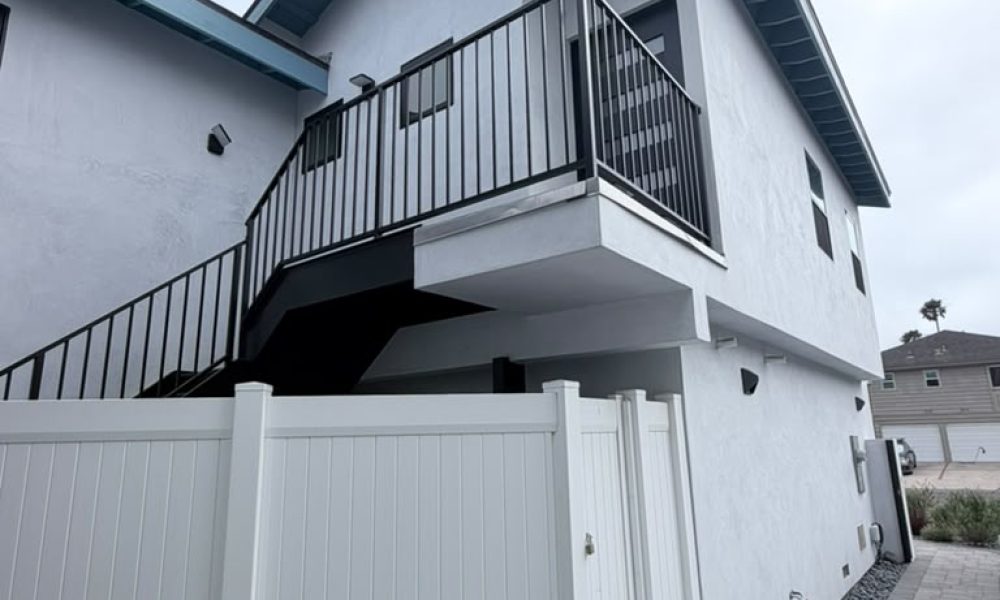
Stucco is the defining exterior finish of Southern California residential architecture. Drive through any neighborhood in Ventura and the majority of homes you’ll see are stucco — and for good reason. It’s durable, fire-resistant, and handles the region’s climate reasonably well. But stucco also has specific painting requirements that differ significantly from wood siding, fiber cement, or other exterior surfaces, and ignoring those requirements leads to paint jobs that fail years before they should.
Whether your stucco home needs a full repaint or you’re refreshing a faded exterior, here’s what Ventura homeowners need to know before the first drop of paint goes on.
Why Stucco Is Different From Other Exterior Surfaces
Stucco is a cementitious material — a mixture of cement, sand, and water applied in layers over a wire mesh substrate. Its texture, porosity, and chemical composition make it behave differently than other paintable surfaces in several important ways.
- High porosity: Stucco absorbs paint differently than wood or fiber cement, requiring products with sufficient body to fill the surface texture and bond properly without soaking in unevenly.
- Alkalinity: Fresh or recently repaired stucco is highly alkaline, which can react with certain paint formulas and cause adhesion failure or color change if proper primers aren’t used.
- Movement and cracking: Stucco expands and contracts with temperature changes and can develop hairline cracks over time. Paint applied over unaddressed cracks will open along those same lines within one to two seasons.
- Moisture behavior: Stucco needs to breathe — it absorbs and releases moisture as conditions change. Paint products that form an impermeable film can trap moisture inside the stucco, leading to bubbling, peeling, and long-term structural damage.
Step 1: Thorough Inspection Before Anything Else
The single most important step before painting a stucco home is a thorough inspection of the entire surface. Problems that aren’t addressed before painting get sealed in — and typically resurface within a season or two at higher cost.
What to look for during inspection:
- Hairline cracks: Common in older stucco and around window and door openings where movement concentrates. These need to be filled and sealed before painting.
- Larger structural cracks: Cracks wider than a hairline may indicate underlying substrate issues or significant settling and require professional assessment before they’re simply patched and painted over.
- Soft or hollow spots: Tapping the stucco surface reveals areas where the material has separated from the substrate beneath — these areas need repair, not just paint.
- Mold or mildew: Dark staining on north-facing or shaded surfaces often indicates mold or algae that needs to be treated and removed before painting, not painted over.
- Previous paint failure: Peeling, bubbling, or chalking paint needs to be fully removed before new product is applied, or the new coat will fail along the same lines.
Step 2: Cleaning the Surface Properly
Even stucco that looks clean harbors dust, airborne pollutants, salt deposits, and biological growth in its textured surface. Paint applied over a contaminated surface bonds poorly and fails prematurely.
For most stucco homes in Ventura, pressure washing at a controlled PSI — typically 1,200 to 1,500 PSI for standard stucco — removes surface contamination effectively without damaging the stucco texture. Areas with significant mold or algae benefit from a pre-treatment with an appropriate biocidal wash before pressure washing.
After washing, stucco needs adequate dry time before any painting begins — typically 24 to 48 hours minimum in Ventura’s climate, longer if the weather has been cool or humid. Painting over damp stucco is one of the most common causes of early paint failure on this surface type.
Step 3: Crack Repair and Patching
Hairline cracks in stucco are almost universal on homes older than ten years and are a normal result of the material’s movement over time. The approach to repairing them before painting matters significantly for how long the repair holds.
- Hairline cracks can be treated with a flexible, paintable elastomeric caulk or crack filler that moves with the stucco rather than cracking again with the substrate.
- Wider cracks and damaged sections require stucco patching compound applied in compatible layers. New stucco patches need adequate cure time — typically 28 days for fresh stucco — before they’re ready for primer and paint.
- Cracks around windows and doors are often recurrent and benefit from backer rod and flexible caulk rather than rigid patching material, which tends to crack again in the same location.
Step 4: Choosing the Right Primer
Primer on stucco isn’t optional — it’s a critical step that determines how well the topcoat bonds and how long the overall system lasts.
For standard previously painted stucco: A high-quality acrylic masonry primer provides the bonding base the topcoat needs and helps equalize the porosity of the stucco surface so paint applies evenly.
For new or freshly patched stucco: An alkali-resistant primer is essential. Fresh stucco’s high pH will attack standard primers and paints, causing yellowing, peeling, and adhesion failure. Alkali-resistant formulas neutralize this reaction and create a stable base for the topcoat.
For stucco with significant moisture history: A masonry sealer applied before primer helps block residual moisture and prevents it from working up through the new paint system.
Step 5: Selecting the Right Paint for Stucco in Ventura’s Climate
Not every exterior paint is appropriate for stucco, and in Ventura’s coastal environment, product selection matters even more than it would inland.
Elastomeric Paint
Elastomeric coatings are specifically formulated for masonry and stucco surfaces. They’re thicker than standard exterior paint — typically applied at twice the coverage thickness — and remain flexible after curing, allowing them to bridge hairline cracks and move with the stucco without splitting. For stucco homes in Ventura, elastomeric paint offers the best combination of crack resistance, moisture management, and longevity.
High-Quality 100% Acrylic Exterior Paint
Premium acrylic exterior paints with masonry-appropriate formulas are an excellent choice for stucco in good condition. They breathe better than elastomeric coatings, allowing moisture to escape from the stucco, and provide strong UV resistance for Ventura’s sun-heavy climate. Look for formulas specifically rated for masonry or stucco application.
What to Avoid
- Oil-based paints on stucco are generally not recommended — they don’t allow the stucco to breathe and tend to fail faster in the alkaline environment.
- Interior paint used on exterior stucco is a common DIY mistake that leads to rapid failure — interior formulas aren’t designed for UV exposure, temperature cycling, or moisture management.
- Cheap, low-solids exterior paints that look similar to premium products on the label but lack the resin content to bond properly to a porous masonry surface.
Timing Matters: When to Paint Stucco in Ventura
Because stucco is porous and absorbs moisture, weather conditions at the time of application significantly affect how well the paint cures and bonds.
- Ideal temperature range: 50°F to 85°F — Ventura’s spring and early fall months offer the most consistent conditions within this range.
- Avoid marine layer mornings: The moisture deposited by Ventura’s coastal fog can linger on stucco surfaces well into late morning. Painting should begin after the surface has fully dried, not just after the fog lifts visually.
- Avoid direct midday sun on hot days: Stucco in direct afternoon sun on warm days can cause paint to dry too fast on the surface while remaining wet underneath, trapping solvent and leading to bubbling.
- Rain window: No rain should be forecast for at least 48 hours after application to allow proper curing.
Work With a Team That Knows Stucco
Painting stucco correctly requires the right products, the right sequence, and the right timing — and shortcuts at any stage show up quickly on this unforgiving surface. At RM Empire Painting, we’ve worked on stucco homes throughout Ventura, CA for years and know exactly what this surface demands for a finish that holds up in our coastal climate.
From surface inspection and crack repair through primer selection and final coat, our team handles every step of the process with the attention to detail that stucco requires.
Ready to repaint your stucco home?
Contact RM Empire Painting today for a free estimate.
Our Services
Get A Free Quotes
Got any questions ? Feel free to call us !
Do you have any questions about our services or would you like to request a free estimate? Don’t hesitate to call us at (805) 746-5140. At RM Empire Painting we are always available to provide you with personalized advice and help you transform your spaces with the quality we are known for. Contact us today, we’ll be happy to assist you!

Whether you’re looking to refresh your home or enhance your business, our team of licensed and insured professionals is here to deliver exceptional results.
Our Services
Copyright ©2026 RM Empire Painting, All rights reserved. Powered by Orbis Advisers.